


Selling or bringing in new owners is one of the most important decisions you will make as an owner. For many, it happens only once. It affects not only your personal finances, but also the company’s future development, employees and direction. As industry specialists, we support you throughout the entire process, with one objective: To secure the right solution – both strategically and financially.
The company may have reached a point where further growth requires external capital, expertise and/or networks.
For many owners, the company represents the majority of their wealth. A full or partial sale can release capital, reduce personal risk and, at the same time, provide an opportunity for continued value creation through reinvestment.
Many owners delay a sale in order to “optimise” the value. The contribution a new partner can make, the speed at which value can be developed further and the return on the capital realised are often underestimated. In many cases, the right partner can create greater overall value.
Our role is to ensure momentum, quality – and a sound basis for decision-making.
We identify the available courses of action and assist you in selecting the right strategy – based on your objectives.

Through our industry knowledge and network, we identify the buyers best placed to support the company’s continued development.

We establish and lead a structured process that:

We manage the entire process, allowing you to focus on day-to-day operations.

We lead the negotiations and contribute experience and solutions that secure the best possible outcome.









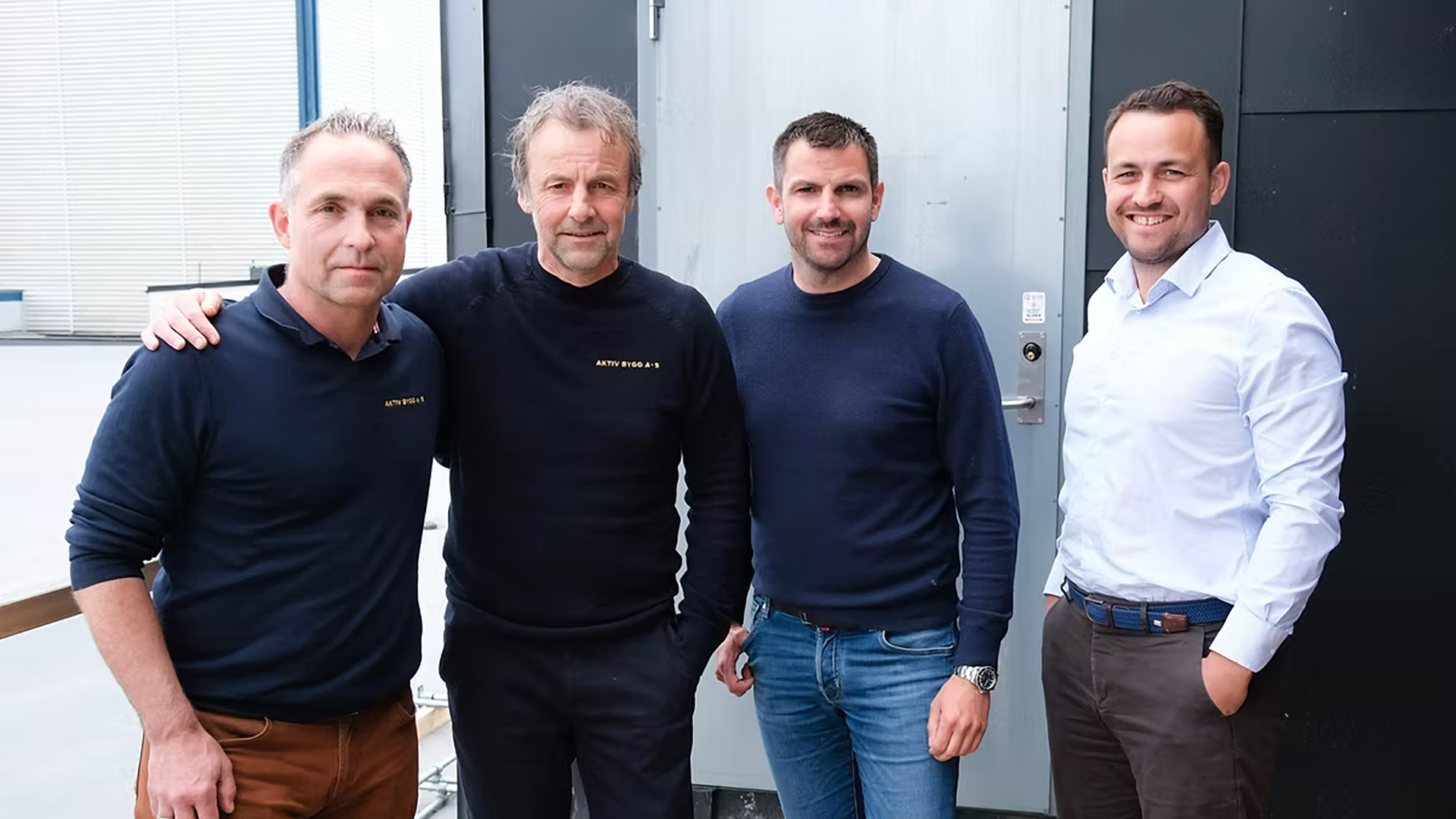


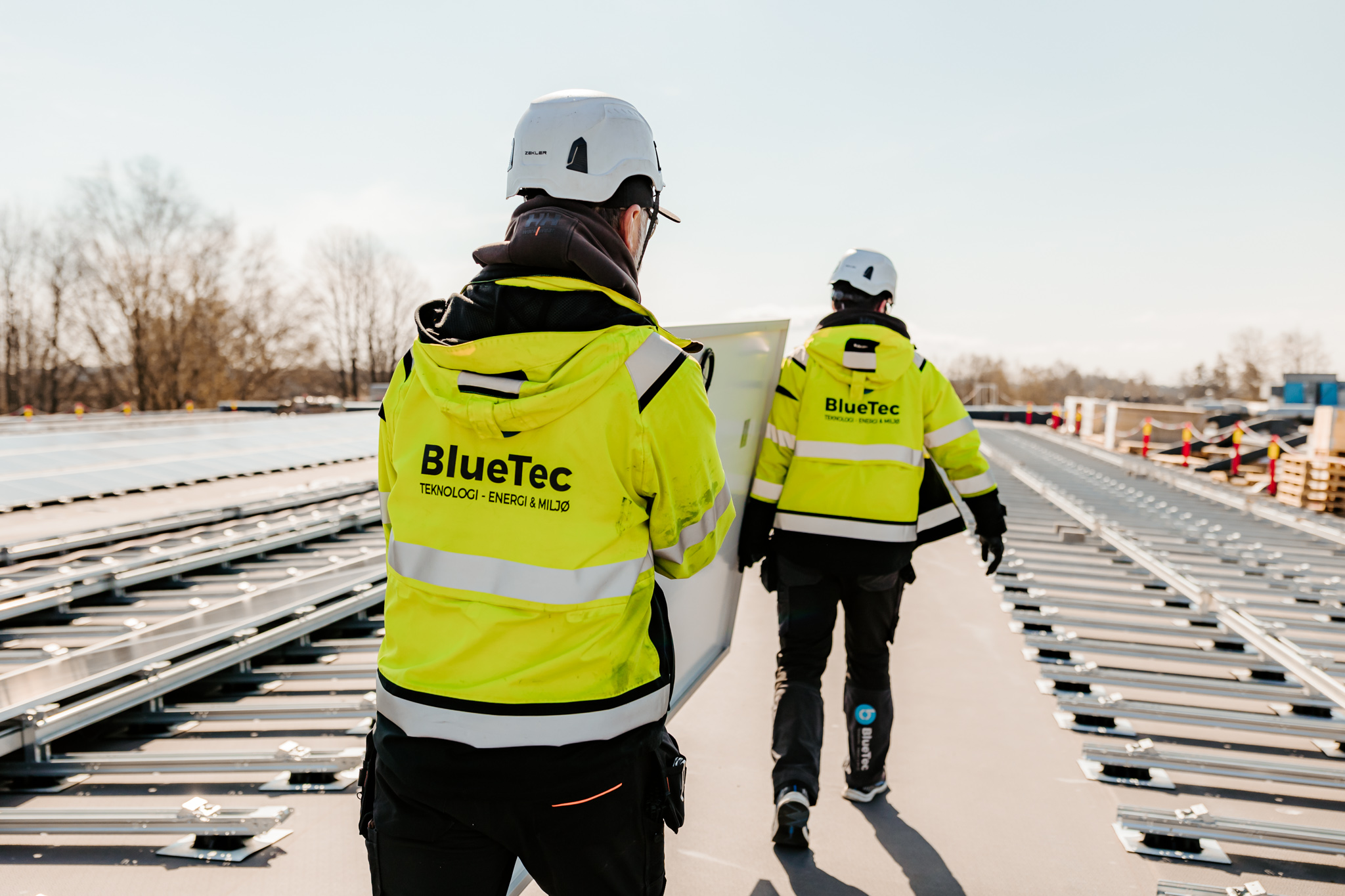




Stratema works exclusively with Construction & Infrastructure and Technology. This gives us deep industry insight and a relevant network of investors and companies.


Here you will find articles and analyses that may be useful when considering a transaction.
For Construction & Civil Engineering and Technology companies, timing is often about selling when:
For Construction & Infrastructure, timing is often linked to order intake, the project portfolio and margin improvements. For Technology, we often see companies being sold once they have established a clear market positioning for their product or service.
Ideally 12–24 months in advance, particularly if you want to:
Early preparation provides a significantly stronger negotiating position.
Based on market activity:
Construction & Infrastructure
Technology
We typically see two main groups:
Strategic buyers:
Construction & Infrastructure: larger contractors and industrial companies
Technology: scaling companies and software consolidators
Financial investors, PE:
Particularly active towards both Construction & Infrastructure and Technology companies with well-defined growth prospects
In both segments, there is often global competition for the best investment opportunities – which can increase pricing significantly.
Even within these segments, the drivers differ:
Construction & Infrastructure:
Technology, SaaS, software and IT services:
In both cases, the decisive factor is which buyer sees the greatest strategic value.
The market affects:
During periods of high activity and numerous buyers, competition can result in a significantly higher price.
In both segments, reinvestment has become standard:
This gives you, as an owner, the opportunity to realise a gain while retaining future upside.
Thorough preparation is essential. More specifically:
Construction & Infrastructure:
Technology:
Poor preparation almost always leads to a lower price or a more demanding due diligence process.
In both Construction & Infrastructure and Technology, it is about:
The quality of the dialogue with buyers is often more important than the number of parties involved.
Construction & Infrastructure
Technology
Common denominator: Buyers are highly skilled at identifying risk.
Typically 5–9 months, although this often depends on:
Good preparation can significantly reduce both risk and the time required.
Companies must expect:
At the same time, it is critical that operations are maintained without disruption throughout the process.
We would be pleased to discuss your situation – whether it concerns a sale, acquisition or strategic considerations. Together, we can consider the opportunities, timing and next steps.